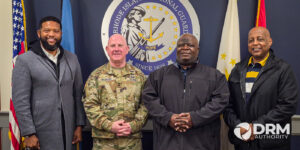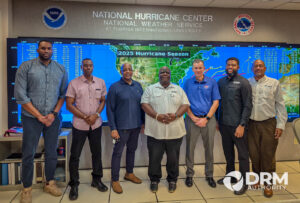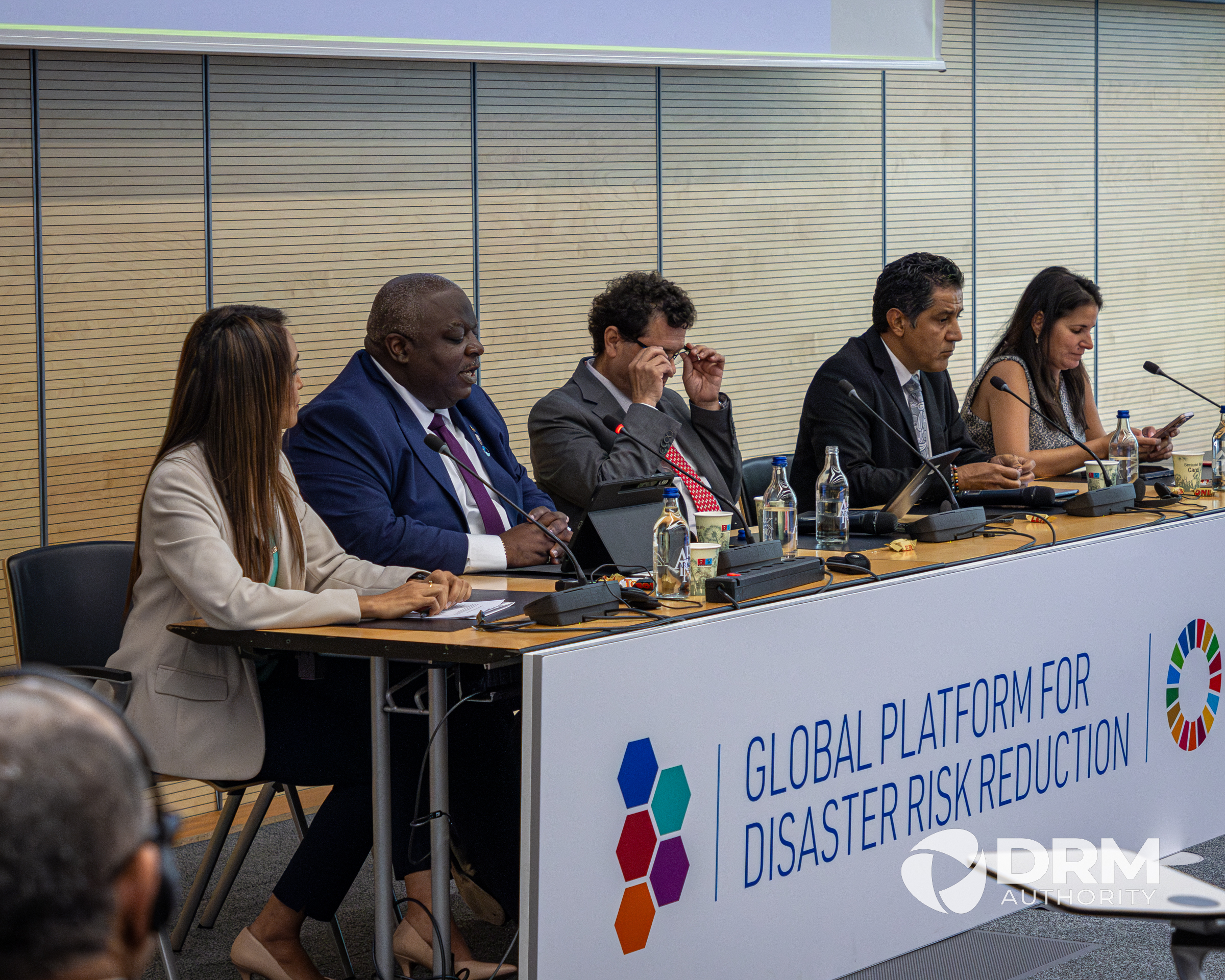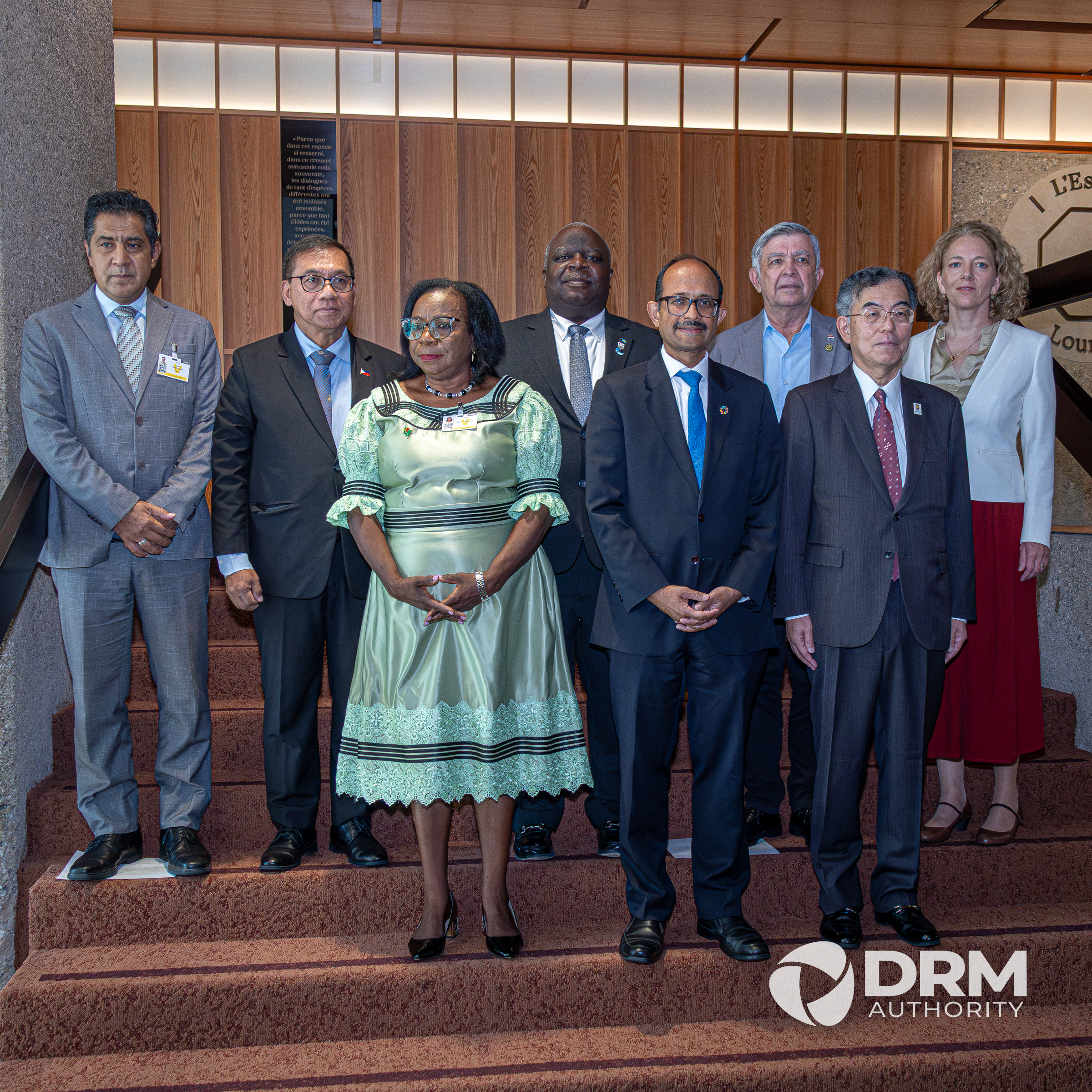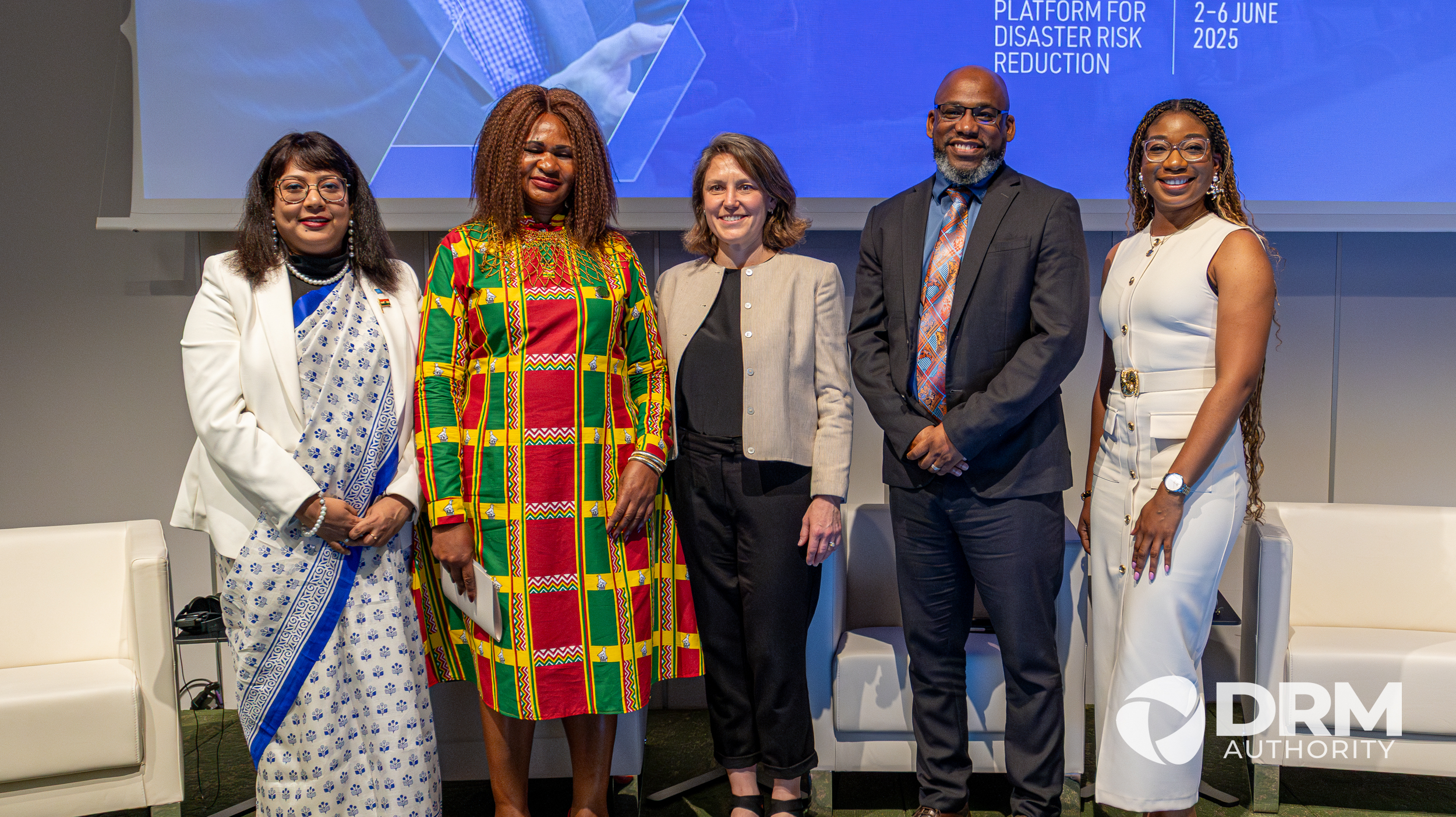
Geneva, Switzerland – 10 June 2025 — The Bahamas’ Disaster Risk Management Authority concluded a packed week at the United Nations Office for Disaster Risk Reduction (UNDRR) 2025 Global Platform for Disaster Risk Reduction (GP2025), where the country’s delegation contributed on high-level dialogues, technical panels, and strategic bilateral meetings.
Led by the Hon. Leon Lundy, Minister of State for Disaster Risk Management, the delegation advanced national priorities centred on proactive disaster governance, sustainable resilience financing, and inclusive recovery planning.
As The Bahamas prepares to host the Ninth Regional Platform for Disaster Risk Reduction in the Americas and the Caribbean (RP26) in 2026, GP25 provided a critical opportunity to align with regional partners, engage global stakeholders, and shape the agenda for risk reduction and resilience for small island developing states (SIDS).
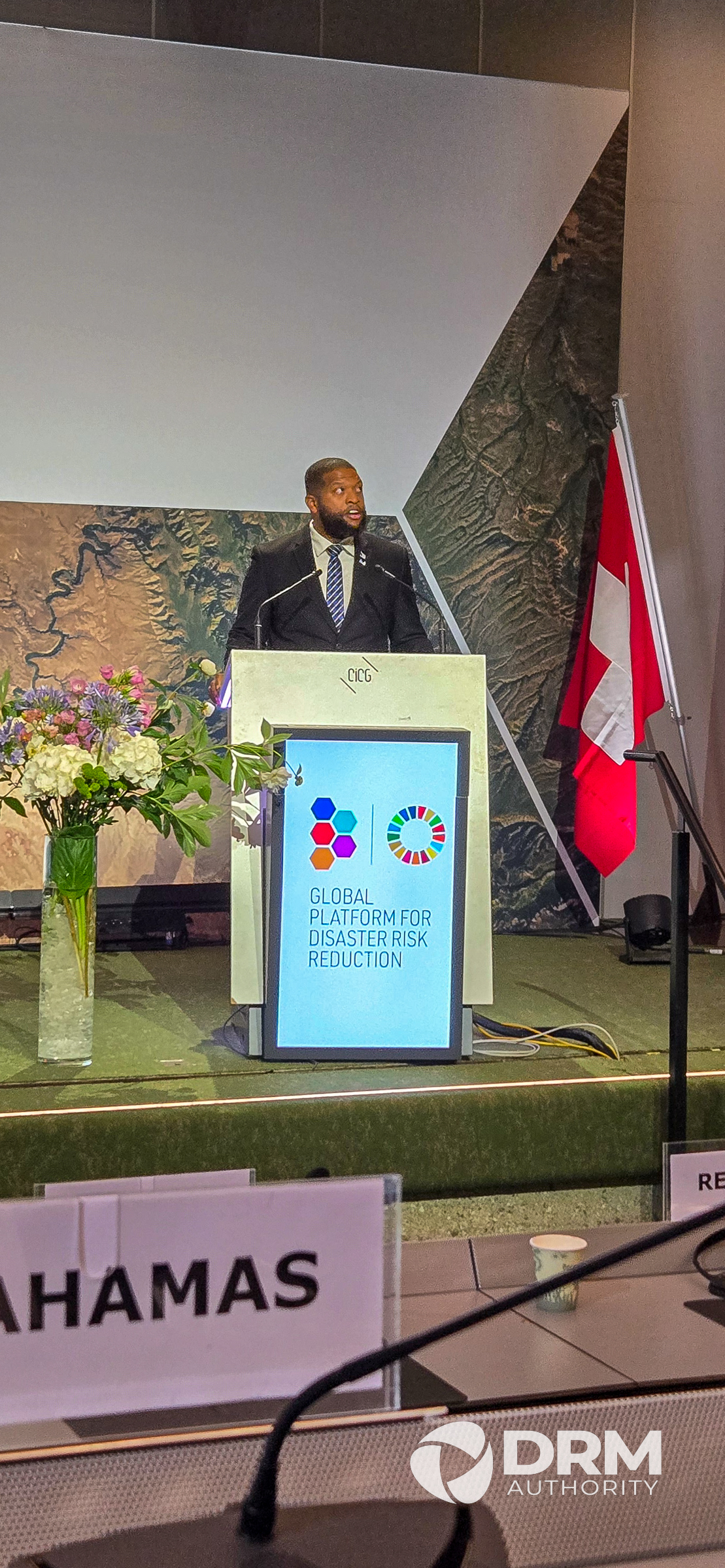
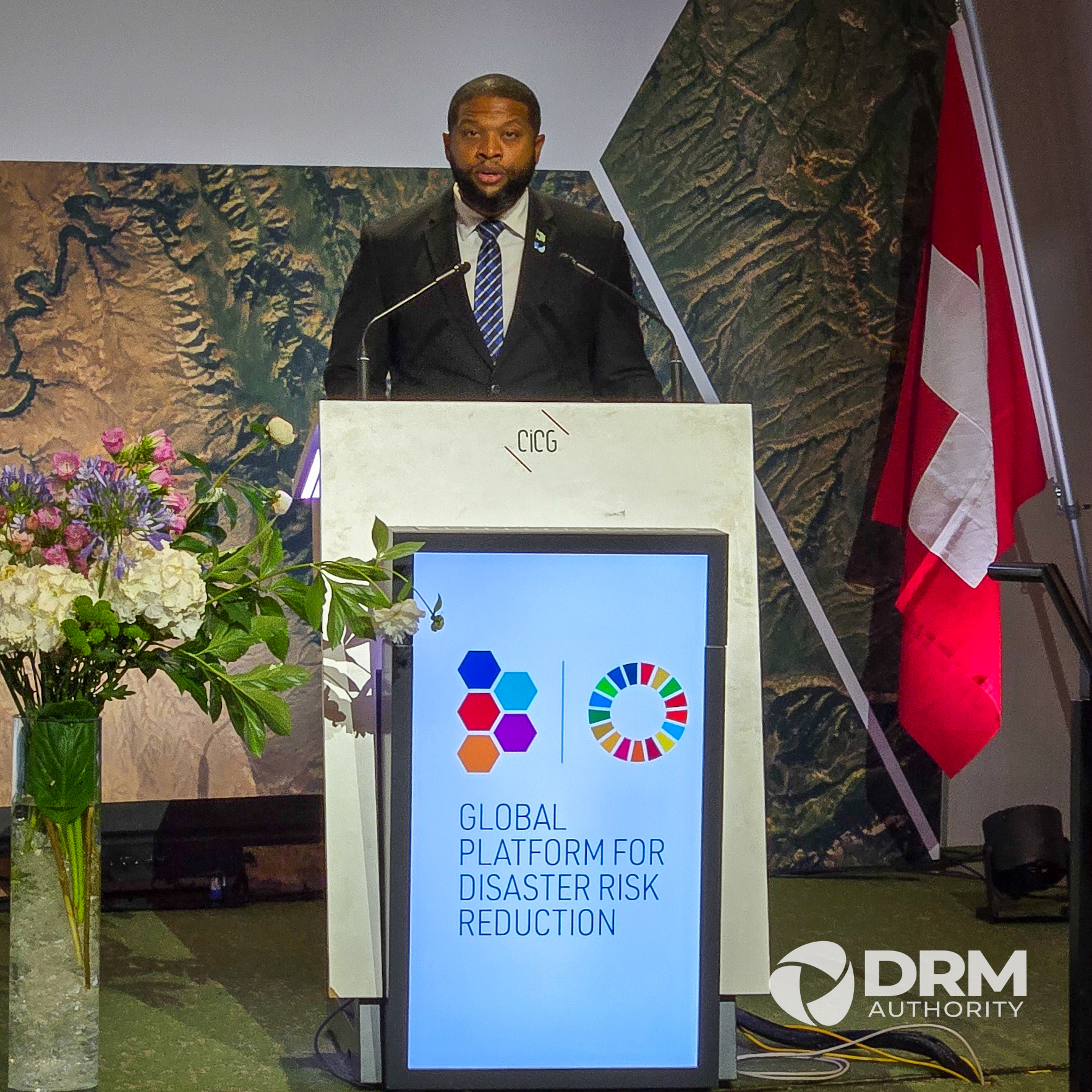
The Bahamas was invited to present national innovations in risk financing, reflecting growing international interest in its legislative approach. Speaking on the Ministerial Round Table themed “Accelerating Finance for Resilience,” Minister Lundy highlighted The Bahamas’ Comprehensive Financial Strategy and the importance of embedding disaster risk financing within disaster management and public finance.
He highlighted the Disaster Emergency Fund and Disaster Prevention Fund as key instruments for moving from reaction to readiness and ensuring that dedicated resources are in place for response and long-term risk reduction. He also shared The Bahamas’ experience with budget tagging, introduced earlier this year to help public agencies track disaster-related spending and reorient investments toward early action.
In a session on “Resilient Development Through Risk-Informed Investment in the Americas and the Caribbean,” Minister Lundy noted that the DRM
Authority is advancing legislation to redirect a portion of dormant financial accounts toward national resilience efforts. This measure would establish a sustainable financing stream, independent of the annual budget cycle.
In his remarks at the World Resilient Recovery Conference (WRRC) Plenary, he highlighted upcoming DRM Authority initiatives such as a multi-agency system for risk mapping and zoning, to inform safer planning, and new disaster coordination protocols—slated for completion in July—that will define recovery sequencing, financing triggers, and agency roles during a disaster activation.
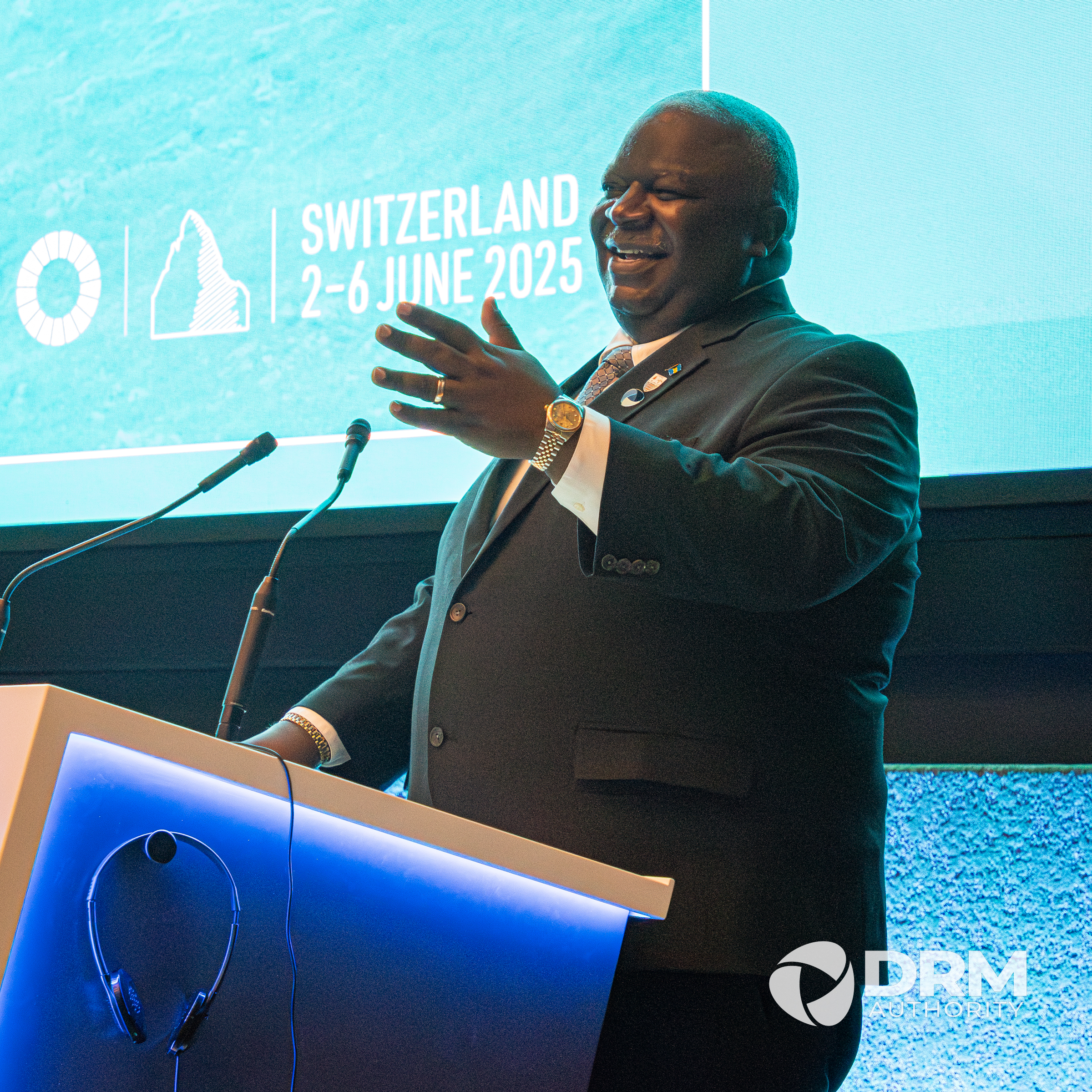
Managing Director Aarone Sargent was invited by the UNDRR to present the outcomes of the WRRC on behalf of the global steering group, a nod to The Bahamas prominent role within the conference. Sargent told delegates that “recovery is an opportunity to break the cycle of disaster, recover, repeat”—and that planning must begin long before the next storm hits.
In his remarks at a high-level dialogue on risk understanding, Sargent noted that sustained political will, equitable financing, and reliable data remain key challenges—particularly for Small Island Developing States (SIDS), which often face high exposure but limited access to concessional resources. “The time to strengthen governance, legal frameworks, and community engagement is now,” he concluded.
The Bahamas also used the opportunity in Geneva to deepen bilateral and multilateral relationships. The delegation held focused meetings with:
- UNDRR, to coordinate thematic and logistical planning for RP26;
- Finland, to explore partnerships in capacity building and technology sharing;
- CDEMA, to discuss regional financing mechanisms and capacity-building;
- and CARICOM counterparts, to align on shared priorities for the Caribbean SIDS in advance of RP26.
These conversations reinforced the importance of regional collaboration and laid the groundwork for a results-oriented platform in 2026.
The Bahamas now turns its focus to RP26, where it will help carry forward the priorities raised in Geneva and work with regional partners to turn shared challenges into coordinated action.